


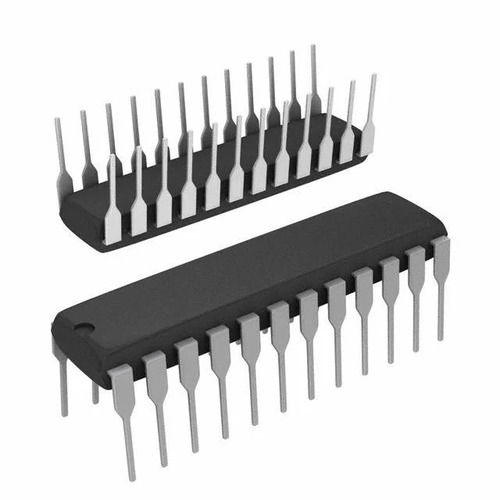
MOTOR DRIVER IC
60 INR/Piece
Product Details:
- Input Logic Signal
- Features Overcurrent Protection, Compact Design
- Components IC with embedded H-Bridge
- Usage Electronic Motor Control
- Operating Temperature -20C to +85C
- IP Rating Not Rated
- Interface Standard Pin Interface
- Click to View more
X
MOTOR DRIVER IC Price And Quantity
- 25 Piece
- 60 INR/Piece
- 8/16 dependent on model
- DIP/SMD
- 1 mA
- RoHS Compliant
- DC Brush Motors
- TTL Compatible
- Integrated
- Through hole/SMD mount
- Dual Channel Output
- Up to Supply Voltage
MOTOR DRIVER IC Product Specifications
- 1A Max
- IC with embedded H-Bridge
- Overcurrent Protection, Compact Design
- Brush Motor Driver IC
- -20C to +85C
- Electronic Motor Control
- Logic Signal
- Not Rated
- Standard DIP/SMD Package
- Motor Driver for Robotics and Electronics
- Low
- Standard Pin Interface
- 12V DC
- DC
- 0.5 g
- DC 12V
- Black
- Motor Control Output
- 13mm x 5mm x 1.2mm
- DC Supply
- Microsecond Level
- Up to 1A Motor Current
- Not Included
- Integrated Circuit
- 1.2 mm
- 8/16 dependent on model
- DIP/SMD
- 1 mA
- RoHS Compliant
- DC Brush Motors
- TTL Compatible
- Integrated
- Through hole/SMD mount
- Dual Channel Output
- Up to Supply Voltage
MOTOR DRIVER IC Trade Information
- All India
Product Description
A motor driver IC is an integrated circuit that is designed to drive and control a motor. This IC is commonly used in applications where precise control of motor speed and direction is required. The motor driver IC includes features, such as overcurrent protection, thermal protection, and voltage regulation. It includes a variety of interfaces, such as SPI, I2C, and PWM, that allow for easy integration with other components in the system. It is designed for high efficiency and low power consumption, making it ideal for battery-powered applications.
Dual Channel Efficiency
Support for two independent DC brush motors allows simultaneous control, improving system flexibility. The embedded H-Bridge architecture ensures smooth bidirectional operation, and the compact construction enables integration in space-constrained applications without compromising performance.
Protection and Reliability
This IC combines overcurrent and reverse voltage protection, safeguarding both the driver and connected motors from typical electrical failures. Its robust temperature tolerance from -20C to +85C ensures dependable performance in varying environments, which is vital for robotics and industrial automation.
Application Versatility in India
Ideal for Indian manufacturers, importers, and traders, this motor driver IC suits a broad spectrum of electronic control projects, from hobby kits to commercial automation. Its standard pin layout and RoHS conformity make it compatible with most development and production standards.
FAQs of MOTOR DRIVER IC:
Q: How can I use the motor driver IC for controlling DC brush motors in my electronics project?
A: You can use this IC by connecting your logic signal inputs to its TTL compatible control pins, and then wiring your DC brush motors to its output terminals. A DC power supply (up to 12V) is needed, and the ICs embedded H-Bridge circuitry allows for precise direction and speed control.Q: What benefits does the integrated reverse voltage protection offer?
A: Integrated reverse voltage protection prevents damage to the IC and motors caused by accidental polarity reversal or transient backward currents, enhancing the systems durability and reducing maintenance needs.Q: When should I select SMD versus DIP packaging for this driver IC?
A: Choose the SMD package for compact, automated assembly on PCBs, restricting overall height and improving heat dissipation. Opt for DIP packaging for easy prototyping or through-hole mounting in educational and development settings.Q: Where is this motor driver IC commonly applied?
A: This IC is frequently used in robotics, automation controls, and educational electronics. Its compact size, standard interface, and robust protections make it highly suitable for use across manufacturing, distribution, and wholesale sectors in India.Q: What is the process for ensuring safe operation with this driver IC?
A: Ensure your supply voltage does not exceed 12V DC and motor current stays within the 1A maximum per channel. Connect inputs using logic signal (TTL level), and ensure appropriate PCB heat management when operating near maximum specifications.Q: What advantages does the drivers TTL compatible control logic offer?
A: TTL compatibility allows easy interfacing with standard microcontrollers and logic circuits, reducing design complexity and facilitating swift communication between control systems and the motor driver.Tell us about your requirement

Price:
Quantity
Select Unit
- 50
- 100
- 200
- 250
- 500
- 1000+
Additional detail
Mobile number
Email

Other Products in 'Electronic Components' category

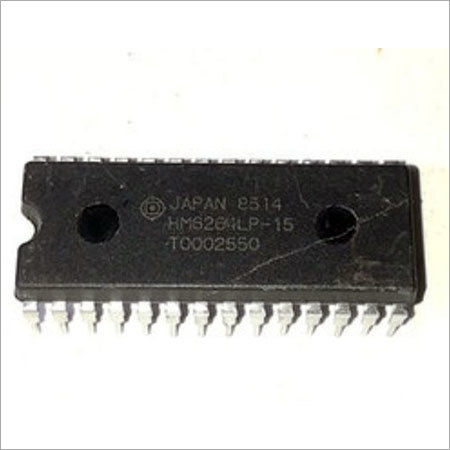


Contact Details
KK INTERNATIONAL
Mumbai, Maharashtra, India
Mumbai, Maharashtra, India

- Plot No. 305, Rajdeep Apartments, Tara Temple Lane, Near Lamington Road,Mumbai - 400007, Maharashtra, India
- Phone : 08045477473
- Mr Pratik Chouhan (Managing Director)
- Mobile : 08045477473
-
 Send Inquiry
 Send Inquiry
 Send Inquiry
 Send SMS
Quick Inquiry

 |
KK INTERNATIONAL
All Rights Reserved.(Terms of Use) Developed and Managed by Infocom Network Private Limited. |
