


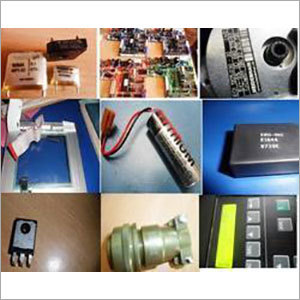
Obsolete Semiconductors
100 INR
Product Details:
- Power Source External Circuitry-Dependent
- Power Supply DC/AC Dependent on Application
- Output High/Low Power Signal, Voltage, or Current
- Thermal Conductivity Standard, Dependent on Package
- Input Low-power Control Signal
- Usage Industrial, Consumer Electronics, Automotive, Telecommunication
- Features Wide Range, Hard-to-Find, Suitable for Replacement/Repair
- Click to View more
X
Obsolete Semiconductors Price And Quantity
- 10 Piece
- 100 INR
- As per Availability
- Varies (Refer to Part Number)
- Design-Specific, Used as Drop-in Replacements
- Limited / Obsolete / Surplus
- Non-RoHS
- TO-92, TO-220, DIP, SOT, SOIC, QFP, etc.
- On Request (Subject to Part Number)
- Device Specific
- Room Temperature, Dry Storage Recommended
- May Not be Lead-Free
- 2-64 Pins (Depending on Type)
Obsolete Semiconductors Product Specifications
- Up to 100 MHz (Depending on Type)
- Leaded, Surface Mount (SMD/SIP/DIP/SOP)
- High Speed, <1s (Typical for Transistors)
- Silicon Die, Encapsulation Material, Leadframe
- Wide Range, Hard-to-Find, Suitable for Replacement/Repair
- Discrete Semiconductor (Transistor, Diode, IC, etc.)
- Up to 600V DC/AC Depending on Device
- Package Specific (ex: 4.6mm x 3.2mm x 1.5mm)
- -55C to +150C
- Industrial, Consumer Electronics, Automotive, Telecommunication
- Switching, Amplifying, Rectification in Electronic Circuits
- Standard, Dependent on Package
- High/Low Power Signal, Voltage, or Current
- Low-power Control Signal
- Power Management, Signal Processing, Logic Control
- Varies by Package (TO-92, SOIC, DIP, etc.)
- Black
- DC/AC Dependent on Application
- Varies per Package (Typically <1 g)
- Up to 600V
- Up to 10A (Device Specific)
- External Circuitry-Dependent
- Standard Package Thickness
- As per Availability
- Varies (Refer to Part Number)
- Design-Specific, Used as Drop-in Replacements
- Limited / Obsolete / Surplus
- Non-RoHS
- TO-92, TO-220, DIP, SOT, SOIC, QFP, etc.
- On Request (Subject to Part Number)
- Device Specific
- Room Temperature, Dry Storage Recommended
- May Not be Lead-Free
- 2-64 Pins (Depending on Type)
Obsolete Semiconductors Trade Information
- All India
Product Description
We areglad to present ourselves as one of the leading suppliers of Obsolete Semiconductors. These semiconductors are known for their electrical conductivity and high-temperature resistant nature. Excited electrons, light emission and heterojunction properties make these semiconductors widely demanded in the market. Obsolete Semiconductors find extensive usage for rectifying and switching in power electronic circuits. They are demanded in electronics, military, aerospace and marine industry. Clients can avail our Obsolete Semiconductors in different specifications as per their requirements.
Features:
- Easy to install
- Light in weight
- High efficiency
Versatile Functions for Multiple Applications
These obsolete semiconductors can perform critical roles in power management, signal processing, logic control, and more, thanks to device-specific designs supporting voltages up to 600V and frequencies up to 100 MHz. Typical applications span industrial automation, consumer electronics, automotive modules, and telecommunications systems, making them essential for sustaining older equipment or managing hard-to-replace circuits.
Package Types and Device Compatibility
Available in renowned packages like TO-92, DIP, SOIC, SOT, and QFP, these semiconductors cover both through-hole and surface mount needs. Each packages unique form factor allows direct integration as a drop-in replacement or maintenance part, provided careful review of part compatibility. Dimensions, pin count, marking code, and datasheets are accessible upon request to facilitate correct part selection.
Storage and Handling Recommendations
Obsolete components should be kept in room temperature and dry conditions to preserve reliability and function. Standard encapsulation techniques and leadframes are used, but correct storage helps maintain high-speed response times and standard thermal conductivity. Always refer to part-specific guidance for optimal preservation, especially if planning longer-term inventory holds.
FAQs of Obsolete Semiconductors:
Q: How can I determine if a specific obsolete semiconductor is suitable as a drop-in replacement for my application?
A: To ensure suitability, review the devices package type, pin count, marking code, electrical ratings (voltage, current), and functional role (switching, amplification, etc.). Compatibility is design-specific, so its essential to compare your circuits requirements with the detailed datasheet, which can be requested based on the part number.Q: What is the process for sourcing datasheets and technical documentation for these obsolete semiconductors?
A: Datasheets and further documentation are available on request, subject to the exact part number. You can contact your distributor, importer, or supplier with the marking code or part number to obtain accurate technical details needed for evaluation and integration.Q: When is it recommended to use obsolete semiconductors in modern projects or repairs?
A: Use obsolete semiconductors when maintaining, repairing, or refurbishing legacy systems where current components do not match the electrical or mechanical specifications. Their availability as drop-in replacements ensures continued operation of existing industrial, automotive, or consumer systems without extensive redesign.Q: Where can I purchase these obsolete semiconductor components in India?
A: These components are distributed, imported, and supplied by various wholesalers, traders, and manufacturers across India. Availability depends on each parts stock status, which can be limited, obsolete, or surplus. Check with authorized distributors or request a quote referencing the specific part number.Q: What are the benefits of using non-RoHS, possibly non-lead-free obsolete semiconductors?
A: The primary advantage is maintaining critical system functionality without the need for circuit redesign, especially in environments where replacing entire boards is impractical. While not environmentally compliant for new designs, they are invaluable for supporting the longevity of legacy infrastructure.Q: How should these components be stored to ensure longevity and reliability?
A: Store obsolete semiconductors in a dry environment at room temperature to prevent moisture ingress and degradation. The use of standard packaging materials ensures reliable protection, but following recommended storage conditions preserves the components functionality for extended periods.Tell us about your requirement

Price:
Quantity
Select Unit
- 50
- 100
- 200
- 250
- 500
- 1000+
Additional detail
Mobile number
Email

Other Products in 'Electronic Components' category


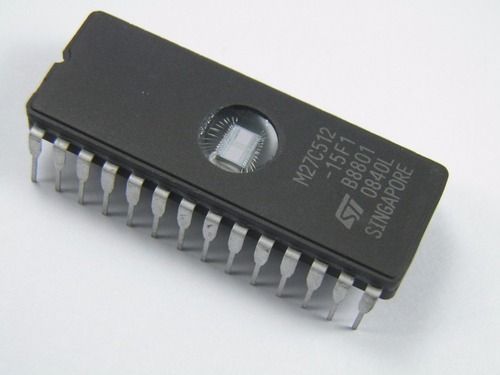

Contact Details
KK INTERNATIONAL
Mumbai, Maharashtra, India
Mumbai, Maharashtra, India

- Plot No. 305, Rajdeep Apartments, Tara Temple Lane, Near Lamington Road,Mumbai - 400007, Maharashtra, India
- Phone : 08045477473
- Mr Pratik Chouhan (Managing Director)
- Mobile : 08045477473
-
 Send Inquiry
 Send Inquiry
 Send Inquiry
 Send SMS
Quick Inquiry

 |
KK INTERNATIONAL
All Rights Reserved.(Terms of Use) Developed and Managed by Infocom Network Private Limited. |
